Across construction projects in the GCC, daily site diaries are expected to provide a reliable, factual record of what happens on site. In practice, however, many teams still rely on handwritten notes, spreadsheets, messaging apps, or end-of-day summaries completed after work has finished. These approaches struggle to keep up with the scale, pace, and complexity of modern projects in the UAE and Saudi Arabia.
As a result, daily reporting gaps remain common. Critical details are missed, records are inconsistent, and information is often scattered across disconnected tools. Digital site diaries in construction are increasingly being adopted to address this issue, providing a structured, real-time approach to daily reporting that aligns with how sites operate.

Why Traditional Site Diaries Fail in GCC Construction Projects
Traditional site diaries were designed for simpler project environments. In today’s GCC construction landscape—where multiple subcontractors, fast-tracked schedules, and noted compliance requirements intersect—manual reporting methods quickly fall short.
Paper-based diaries are often filled in retrospectively, sometimes days later, when key details are no longer clear. Different supervisors record information in different formats, leading to inconsistency. Photos, inspection notes, workforce details, and safety observations are stored in emails or personal devices, making them difficult to retrieve when needed.
These challenges are compounded in the GCC, where projects frequently involve international teams, language differences, and layered approval processes. Without a consistent, centralized system, daily site reporting becomes fragmented, limiting visibility and increasing risk.
The Cost of Daily Reporting Gaps in Construction
Daily reporting gaps have tangible consequences. When site records are incomplete or unclear, project managers struggle to verify progress, confirm instructions, or establish accountability. This often leads to disputes over variations, delays in approvals, and prolonged discussions during claims.
From a compliance perspective, weak daily records expose projects to audit and regulatory risks. Health, safety, quality, and fire safety inspections all rely on accurate, time-stamped evidence. When this information is missing or spread across multiple systems, projects become vulnerable during reviews.
What Are Digital Site Diaries in Construction?
Digital site diaries replace manual reporting with a structured, real-time record of daily site activity. Instead of summarizing events after the fact, information is captured directly from site as work progresses.
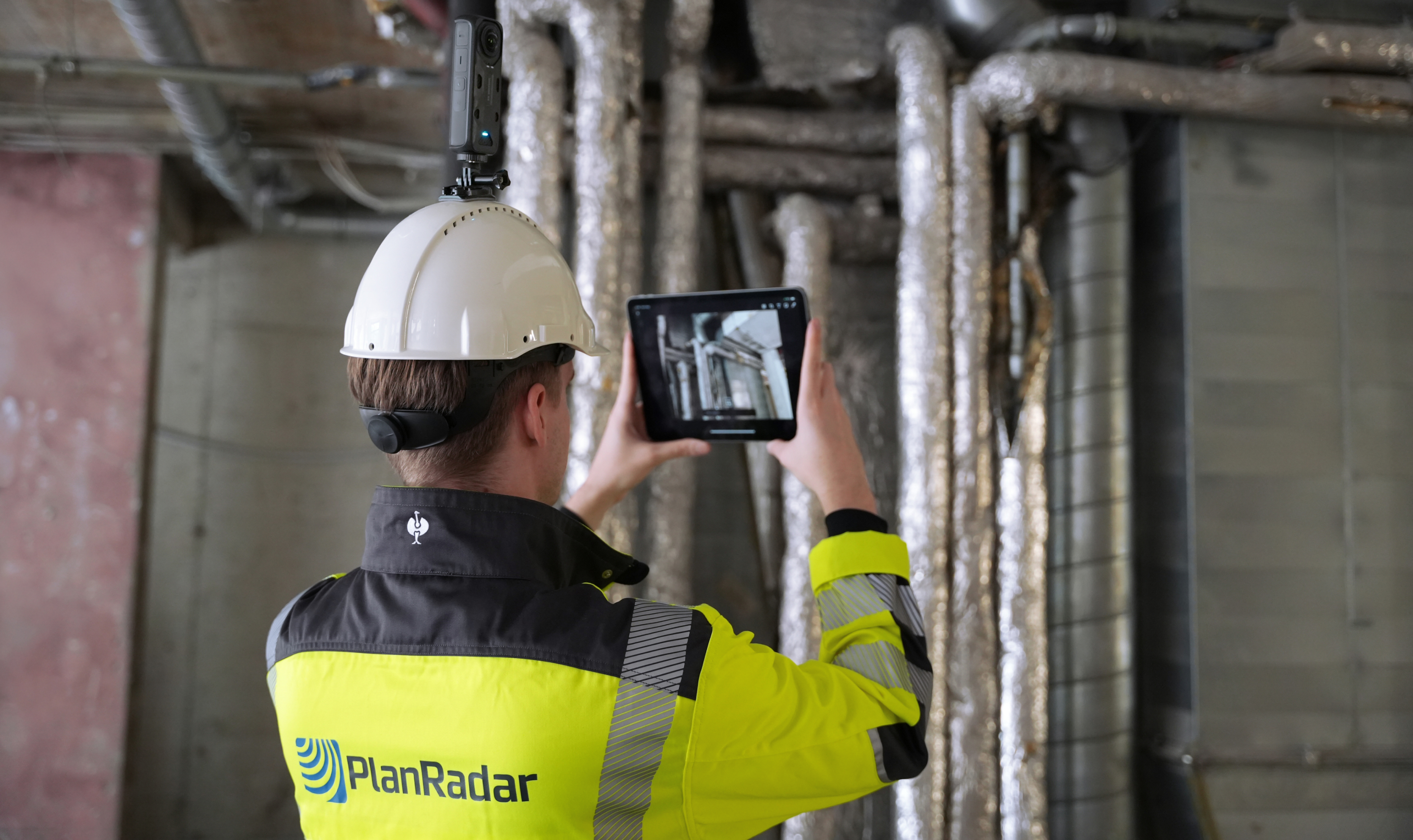
Using mobile devices, site teams can log daily progress, inspections, workforce presence, weather conditions, and incidents. Entries are automatically time-stamped and linked to specific locations on plans or BIM models. Photos, videos, and audio notes provide visual context, ensuring records reflect actual site conditions.
For project teams, this creates a single source of truth that accurately documents what happened on site, when it happened, and who recorded it.
How Digital Site Diaries Improve Accuracy and Accountability
One of the strongest advantages of digital site diaries in construction is standardization. Digital forms ensure the same data is captured every day across all projects and teams. Mandatory fields reduce the risk of missing information, while predefined formats improve consistency.
Accountability also improves significantly. Each diary entry is associated with a specific user, date, and time. This makes it easier to trace decisions, confirm responsibilities, and avoid reliance on informal follow-ups. In large GCC projects, where subcontractor coordination is a constant challenge, this clarity is essential for maintaining control.
Strengthening Compliance and Claims with Digital Daily Records
Digital site diaries play a critical role in protecting projects during audits, claims, and disputes. By maintaining a continuous, audit-ready record, teams can quickly retrieve evidence related to delays, variations, or incidents.
Time-stamped photos, inspection records, and daily progress logs provide objective proof of site conditions. This is particularly important in the GCC, where contractual frameworks often require detailed documentation to support claims or defend against disputes.
Improving Oversight Across Multiple Construction Sites
Many construction firms in the GCC operate across multiple sites simultaneously. Digital site diaries enable project directors and senior teams to monitor daily activity remotely, without relying on phone calls or delayed reports.
By reviewing daily entries and supporting visual documentation, stakeholders gain real-time insight into progress and issues across all projects. This reduces the need for frequent site visits while maintaining effective oversight, especially when combined with visual site documentation tools.
Turning Daily Site Reports into Actionable Project Insights
Over time, digital site diaries become more than just daily records. When site data is captured consistently, it can be analysed to identify trends related to productivity, safety, quality, and delays.
Project teams can use this information to assess subcontractor performance, identify recurring issues, and improve planning on future projects. This data-driven approach aligns with broader industry insights on digital execution and productivity improvement.
Closing the Daily Reporting Gap in GCC Construction
Daily reporting gaps are rarely caused by a lack of effort on site. More often, they stem from tools that no longer match the realities of modern construction. Digital site diaries address this challenge by providing a practical, site-first approach to daily reporting.
For GCC construction projects—where scale, speed, and accountability are critical—digital site diaries in construction are becoming a foundational element of effective project execution. By capturing accurate information at the source, teams can eliminate reporting gaps, reduce risk, and maintain control from the first day on site through to final handover.