Select your region

E-Books

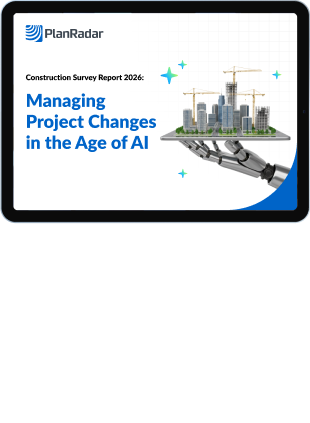
Managing Project Changes in the Age of AI

Download the full report

Thank you. Please download the report below!

Download report
Something went wrong! Please refresh

Managing mid-project changes, such as RFIs, change orders and variation requests, is the second most cited day-to-day challenge for construction project managers globally, second only to keeping projects on schedule. This report examines how those changes affect project outcomes, where accountability breaks down, and what the data shows about the growing performance gap between teams that have adopted digital and AI tools and those that have not.  

Drawing on the views of 1,728 construction professionals accountable for on-time and on-budget project delivery across Europe, the Middle East and Asia-Pacific, the findings reflect the day-to-day reality of those managing these pressures on the ground. 

Key findings include: 

  • 2 in 3 respondents report that mid-project changes lead to budget overruns in many or most of their projects, and 1 in 4 respondents estimate delayed approvals typically add more than a month to project timelines.
  • Respondents who can easily locate documentation are twice as likely to feel confident demonstrating which party was responsible for delays and cost impacts, and yet nearly 8 in 10 report that at least half of their documentation lives across unconsolidated communication channels.
  • More than half of respondents have already adopted a central digital tool to track mid-project changes, and of these adopters 4 in 5 report an improved ability to control costs or protect project margins.
  • More than half would be more likely to stay with an organisation that significantly increased investment in technology and AI. This places AI investment alongside some of the most established drivers of employee retention.